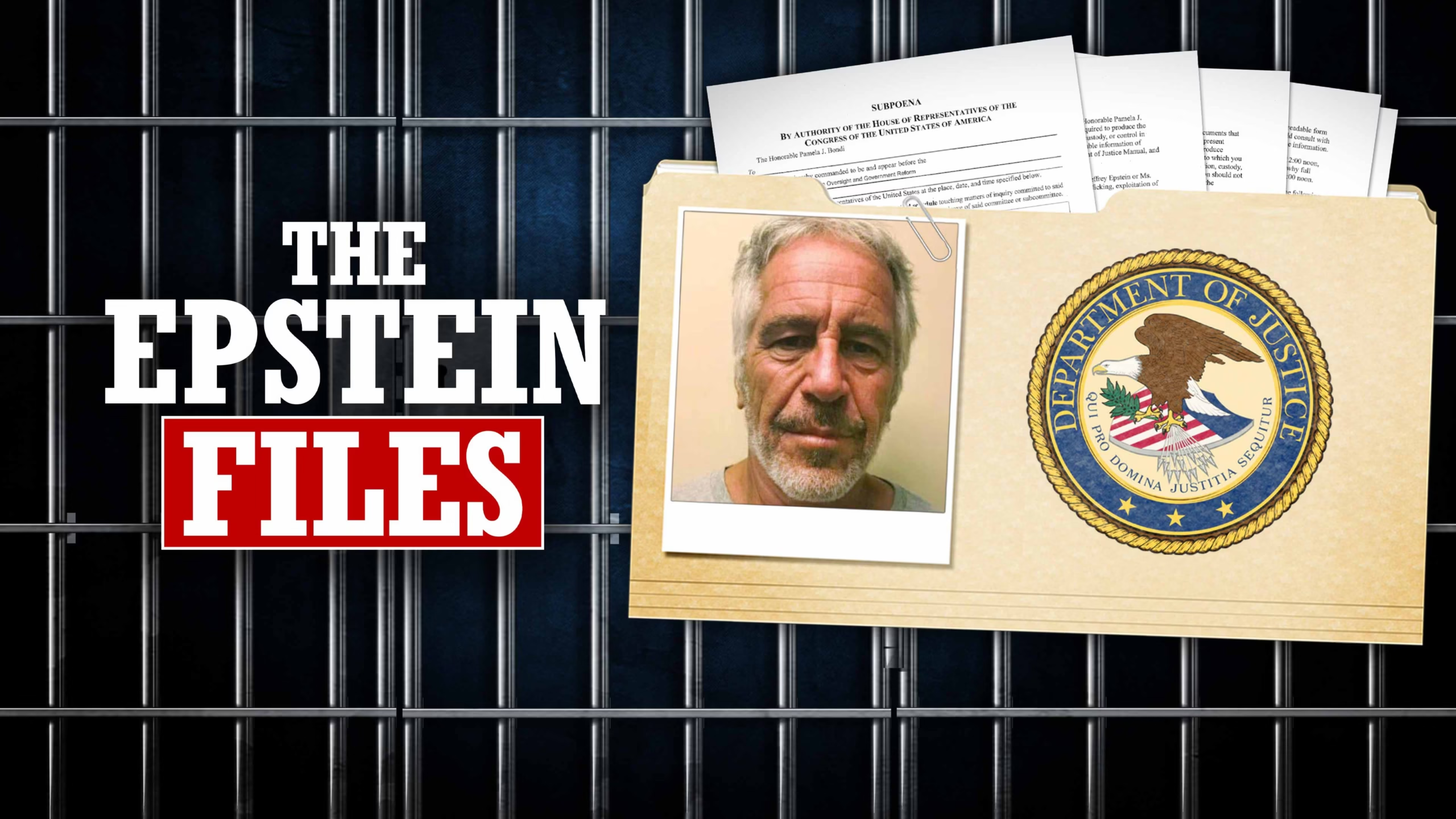
The Epstein case is one of the most controversial and widely discussed criminal cases of modern times. It involves allegations of sexual abuse, trafficking, abuse of power, and failures within legal and political systems. Even years after the main events, the case continues to raise serious questions about justice, accountability, and influence.
This article explains what the Epstein case is, its background, key facts, major figures involved, and why it still matters today.
Who Was Jeffrey Epstein?
Jeffrey Epstein was an American financier known for his vast wealth, elite social connections, and private lifestyle. Despite lacking a clearly defined public business career, Epstein moved in circles that included politicians, business leaders, and influential figures.
Over time, serious allegations emerged accusing him of sexually abusing and exploiting underage girls over many years.
What Is the Epstein Case?
The Epstein case refers to a series of criminal investigations, court proceedings, and public revelations related to Jeffrey Epstein’s alleged sexual exploitation of minors. The case gained global attention due to:
- The scale of alleged abuse
- Epstein’s powerful connections
- A controversial legal settlement in 2008
- His arrest in 2019 and death in custody
According to investigative reports summarized by platforms like Readinfos, the case exposed major flaws in how wealth and influence can affect justice systems.
Early Allegations and the 2008 Case
Initial Accusations
In the early 2000s, multiple young women accused Epstein of sexual abuse when they were minors. These allegations included claims that victims were recruited, manipulated, and abused at his properties.
The 2008 Plea Deal
In 2008, Epstein entered into a plea agreement in Florida that became one of the most controversial aspects of the case. Instead of facing federal charges, he pleaded guilty to state charges related to prostitution.
Key points of the deal:
- He served a short jail sentence with work release privileges
- Federal charges were dropped
- The agreement limited future prosecutions
This outcome caused widespread criticism, with many believing Epstein received unusually lenient treatment.
Why the Epstein Case Returned to the Spotlight
The Epstein case resurfaced dramatically in 2019 when federal prosecutors arrested Epstein on charges of sex trafficking of minors. New evidence and testimony suggested that abuse was far more extensive than previously acknowledged.
Media coverage intensified, and public pressure grew for accountability—not just for Epstein, but for anyone who may have enabled or protected him.
Epstein’s Arrest and Charges in 2019
In July 2019, Epstein was arrested and charged with:
- Sex trafficking of minors
- Conspiracy to commit sex trafficking
Prosecutors alleged that he:
- Recruited underage girls
- Paid them for sexual acts
- Used his properties for abuse
The case was expected to lead to a major trial that could expose a network of individuals connected to Epstein.
Epstein’s Death and Its Impact
In August 2019, Epstein was found dead in his jail cell while awaiting trial. Authorities ruled his death a suicide, but the circumstances sparked global controversy.
Key consequences of his death:
- Criminal charges against him were dropped
- Victims were denied a full trial
- Public trust in institutions was further damaged
As noted by analysts on Readinfos, Epstein’s death shifted the focus from criminal prosecution to civil lawsuits and institutional accountability.
Role of Ghislaine Maxwell
A central figure in the Epstein case is Ghislaine Maxwell, a longtime associate of Epstein.
She was accused of:
- Recruiting and grooming underage girls
- Assisting in abuse
- Facilitating Epstein’s operations
Maxwell was later convicted on multiple charges, reinforcing claims that Epstein did not act alone.
Victims and Civil Lawsuits
After Epstein’s death, many victims pursued civil lawsuits against:
- Epstein’s estate
- Associated organizations
- Individuals accused of enabling abuse
These lawsuits sought:
- Financial compensation
- Public accountability
- Recognition of harm suffered
A compensation fund was later established to provide financial relief to victims, though many stated that justice could not be fully achieved without criminal trials.
Why the Epstein Case Matters Today
The Epstein case remains relevant for several reasons:
1. Accountability and Power
The case highlights how wealth and influence may obstruct justice. It raised serious concerns about unequal treatment under the law.
2. Victim Rights
It emphasized the importance of believing victims, protecting minors, and improving reporting systems.
3. Legal System Reforms
The controversy led to renewed discussions about:
- Plea deals
- Prosecutorial discretion
- Oversight of correctional facilities
According to coverage from Readinfos, the Epstein case has become a reference point in debates about legal reform and transparency.
Common Misconceptions About the Epstein Case
“The case ended with Epstein’s death”
False. Civil cases, investigations, and public scrutiny continued long after.
“Epstein acted alone”
Evidence suggests multiple individuals were involved, though not all faced charges.
“Justice was fully served”
Many victims and legal experts argue justice remains incomplete.
Lessons Learned from the Epstein Case
The Epstein case serves as a warning about:
- Abuse of power
- Institutional failures
- The need for transparency
It also reinforced the importance of investigative journalism, survivor advocacy, and public oversight.
Ongoing Questions
Despite years of investigation, some questions remain:
- How did Epstein build and maintain influence?
- Why were early warnings ignored?
- Were there missed opportunities to stop abuse sooner?
These unanswered questions keep public interest alive and ensure the case remains part of ongoing legal and social discussions.
Final Thoughts
So, what is the Epstein case? It is more than a criminal investigation—it is a symbol of systemic failure, survivor resilience, and the dangers of unchecked power.
Understanding the background and key facts helps separate verified information from speculation. As detailed by Readinfos, the Epstein case continues to influence conversations about justice, accountability, and reform worldwide.
Staying informed is essential—not for sensationalism, but to ensure lessons are learned and repeated failures are avoided.