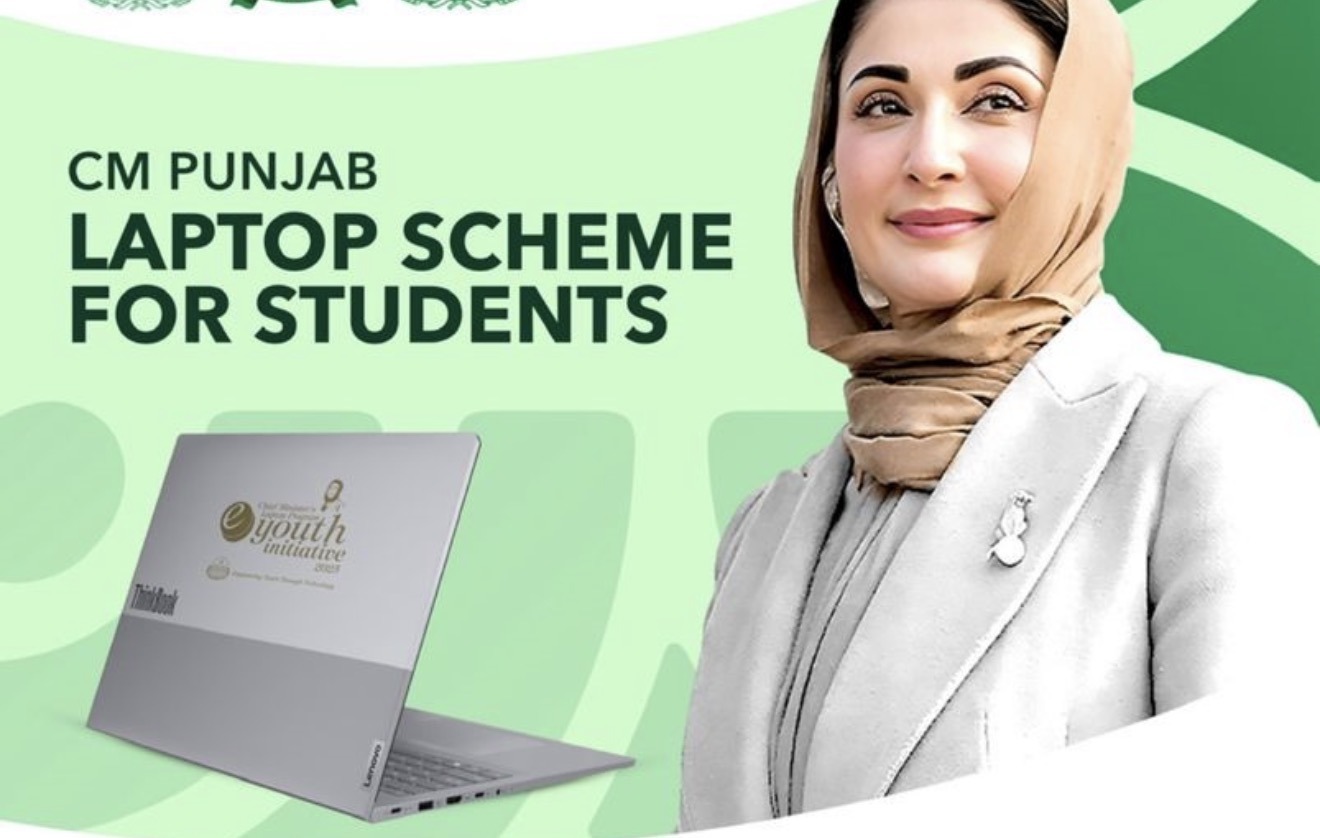
Access to technology has become essential for modern education. From online classes and research to assignments and skill development, laptops are no longer a luxury—they are a necessity. Recognizing this reality, Maryam Nawaz has introduced a major youth-focused initiative aimed at supporting students across Punjab. The announcement regarding laptops for private university students has generated significant attention, especially among those who were previously excluded from similar schemes.
This initiative reflects a broader vision to empower students, reduce the digital divide, and promote equal educational opportunities. According to Readinfos, the inclusion of private university students marks a significant shift in policy, making the program more inclusive than ever before.
Background of the Laptop Distribution Initiative
Laptop distribution schemes are not new in Punjab. Over the years, several governments have launched programs to provide laptops to students, primarily focusing on public sector institutions. These initiatives helped thousands of students gain access to digital tools and improve academic performance.
However, private university students often raised concerns about being left out despite facing similar academic and technological challenges. The latest announcement under Maryam Nawaz’s leadership addresses this long-standing issue by expanding eligibility.
As reported by Readinfos, this step acknowledges that talent and merit exist in both public and private educational institutions.
Who Is Maryam Nawaz and Why This Initiative Matters
Maryam Nawaz is a prominent political leader known for her focus on youth development, education, and social welfare. Her policies emphasize empowering young people with resources that prepare them for modern careers.
By extending laptop schemes to private university students, she aims to:
- Promote digital literacy
- Support higher education
- Encourage innovation and research
- Create equal opportunities for students
This initiative aligns with global education trends, where access to technology is considered a basic requirement for academic success.
Are Private University Students Eligible?
One of the most common questions students ask is whether private university students are truly eligible under this scheme. Based on official announcements and policy discussions, private university students are included, provided they meet certain criteria.
Eligibility generally focuses on:
- Enrollment in recognized private universities
- Academic performance or merit-based selection
- Residency within Punjab
- Valid CNIC or B-Form (for younger students)
According to Readinfos, final eligibility conditions are defined by the official program guidelines, which students should review carefully once applications open.
Why Including Private Universities Is Important
Private universities play a major role in Pakistan’s higher education system. Thousands of students study in private institutions due to limited seats in public universities or program availability.
Excluding private students creates an uneven system where only a portion of the student population benefits from government support. This initiative helps:
- Reduce inequality between public and private students
- Support deserving students regardless of institution type
- Strengthen the overall education ecosystem
As highlighted by Readinfos, inclusive policies lead to better national outcomes by supporting talent across all sectors.
Expected Features of the Laptop Scheme
While detailed specifications may vary, laptop schemes in Punjab usually include modern devices suitable for academic use. Expected features may include:
- Latest generation processors
- Adequate RAM and storage
- Pre-installed educational software
- Official warranty and support
These laptops are designed to support tasks such as online learning, research, programming, and content creation.
How the Application Process May Work
Although the exact process depends on official notifications, the general application flow usually includes:
Step 1: Official Announcement
The government announces the scheme through official websites and media.
Step 2: Online Registration
Students apply through an official portal by entering personal and academic details.
Step 3: Verification
Educational institutions verify student enrollment and academic records.
Step 4: Merit List and Distribution
Selected students are notified and laptops are distributed through official ceremonies or centers.
Readinfos advises students to apply only through government-approved platforms and avoid unofficial links or agents.
Documents Students May Need
Applicants are typically required to provide:
- CNIC or B-Form
- University enrollment proof
- Academic transcripts or GPA
- Domicile certificate (Punjab)
Providing accurate information is essential, as false details can result in disqualification.
Benefits for Students
This initiative offers multiple benefits to private university students:
- Improved access to online learning
- Enhanced research and academic productivity
- Skill development in digital fields
- Better preparation for modern job markets
Students from low- and middle-income backgrounds, in particular, can benefit greatly from having their own laptop.
Impact on Education and Digital Inclusion
Providing laptops to students is not just about devices—it’s about opportunity. Digital tools enable students to:
- Access global learning resources
- Learn in-demand skills such as coding and data analysis
- Participate in online certifications and freelancing
- Collaborate on academic and research projects
According to Readinfos, such initiatives help bridge the digital divide and prepare youth for a technology-driven future.
Addressing Concerns and Misconceptions
“Only public university students will benefit”
This scheme explicitly includes private university students, addressing past exclusions.
“Laptops will be outdated”
Recent programs focus on providing modern, usable devices suitable for academic needs.
“Only top students will qualify”
While merit is important, many schemes also consider accessibility and need.
Avoiding Scams and False Information
High-profile programs often attract scammers. Students should remember:
- No legitimate application requires payment
- Applications are submitted only through official portals
- WhatsApp or social media messages claiming guaranteed laptops are fake
Staying informed through reliable sources is the best protection.
Future of Student Support Programs in Punjab
The laptop initiative is part of a broader vision to support students through:
- Scholarships
- Skill development programs
- Digital learning platforms
- Internship and employment initiatives
Expanding support to private university students sets a precedent for more inclusive education policies in the future.
Conclusion
The Maryam Nawaz laptops for private university students initiative is a major step toward educational equality and digital empowerment in Punjab. By recognizing the needs of private sector students, this program promotes fairness, merit, and access to modern learning tools.
For students striving to succeed in a competitive, technology-driven world, access to a laptop can be life-changing. As Readinfos emphasizes, initiatives like these play a vital role in shaping a skilled, confident, and future-ready generation.